By Olympia Morris, PA-C · Medically reviewed by Dr. Oliver Morris
People search for “Sculptra before and after” expecting to find the same kind of split-screen photos they’ve seen for lip filler or Botox. Same day, dramatic difference, done. Then they book a consultation, get their first treatment, and call us three days later a little confused because nothing much has changed yet.
That’s not a problem with the treatment. It’s how Sculptra is supposed to work. If you’re trying to figure out whether the results are worth the wait, or you just want to know what you’re actually looking at in those before-and-after photos, here’s the honest month-by-month version.
Why Sculptra Photos Don’t Look Like Filler Photos
A hyaluronic acid filler, like the kind we use for lips or cheeks, physically fills space the moment it’s injected. That’s why those before-and-after pairs are often taken minutes apart. Sculptra doesn’t work that way. It’s a biostimulator made of poly-L-lactic acid (PLLA), a material that’s been used safely in medicine for decades. Instead of adding volume directly, it prompts your own skin to rebuild collagen over the following months.
So the “after” photo in a genuine Sculptra before-and-after isn’t showing you the product. It’s showing you your own tissue, months later, doing something it stopped doing on its own years ago. Any photo pair claiming a dramatic overnight Sculptra change is either misattributed to a different filler or showing the temporary post-injection fullness that settles within a day or two, not the actual result.
The Realistic Timeline, Month by Month
Day 0: The Injection Visit
PLLA is injected into the treatment areas, most commonly the cheeks, temples, or areas of overall volume loss. You may look slightly fuller right afterward, but that’s mostly the reconstitution fluid the product is mixed with, not the treatment effect. Expect that temporary fullness, along with possible mild swelling, redness, or small bumps at injection sites, to settle within a day or two. This is also when we walk you through the “rule of fives” massage protocol, roughly five times a day for five minutes over about five days, which helps distribute the product evenly and lowers the chance of small nodules forming. Skipping it is the single most common reason people are unhappy with texture later.
Weeks 1 to 3: The Quiet Stretch
This is the part that catches people off guard. The initial fullness is gone, the injection marks have healed, and your face looks… about the same as before you started. That’s normal. Collagen doesn’t rebuild on a schedule you can see day to day. If you’re comparing photos from week one to your original consultation photo and seeing basically nothing, you’re right on track, not behind.
Weeks 4 to 6: Session Two
Most treatment plans call for a second session in this window. The spacing isn’t arbitrary. It gives your body time to respond to the first round before more product is placed, which is part of why overcorrection is rare with Sculptra compared to filler placed all in one visit. Some patients start noticing a subtle change around this time, a little less hollow, skin that looks slightly more supported, but it’s still early.
Weeks 8 to 12: Session Three (If Your Plan Calls For It)
Depending on how much volume loss you started with, a third session often falls in this range. By now, the collagen response from session one is further along, and a lot of patients tell us this is when they first start catching themselves in the mirror thinking they look a little more rested, even if they can’t pinpoint exactly what changed. That “can’t pinpoint it” reaction is actually a good sign. It means the result reads as natural rather than as an obvious procedure.
Months 3 to 6: The Real Before-and-After
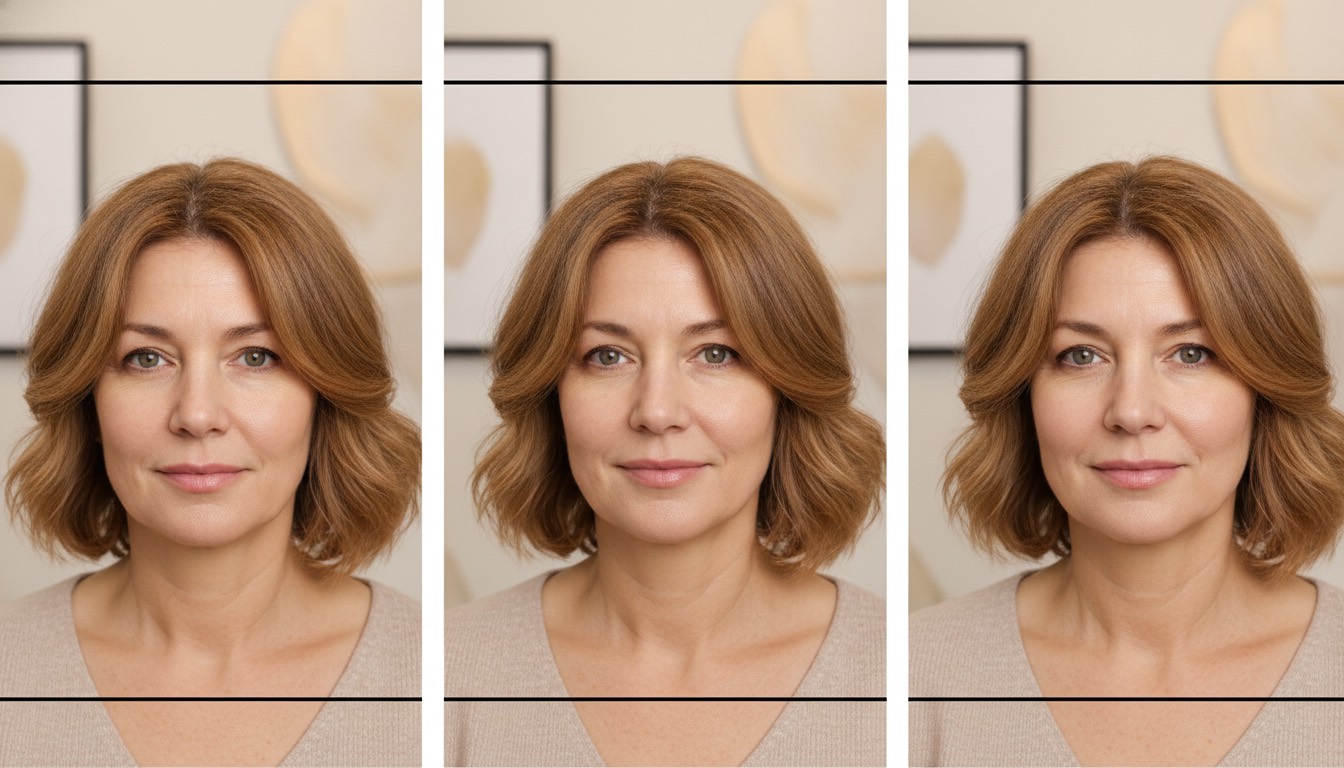
This is the window where the genuine transformation shows up, and it’s where legitimate Sculptra before-and-after photos are actually taken from, several months apart, not next-day. New collagen has accumulated in the treated areas. Cheeks that looked flat or hollow have gradual structural support. The overall effect tends to read as “you look well-rested” rather than “you had something done,” which is exactly the reaction most Sculptra patients say they’re going for.
Around Two Years: Planning a Touch-Up
Sculptra results can last up to two years for many patients, longer than most other injectables we offer. Most people return for a single touch-up vial somewhere around the 18 to 24 month mark to maintain the look rather than starting the full series over. If you’re comparing Sculptra’s cost to a filler that needs refreshing every six to twelve months, the math shifts a lot once you factor in how infrequently you’re actually coming in.
What a Treatment Plan and Cost Actually Look Like
At Olympia Aesthetics, Sculptra is priced at $850 per vial, and most patients need two to three vials across their treatment series depending on how much volume loss they’re starting with. A two-vial package runs $1,600, and a three-vial package is $2,400. Your provider will map out the exact number of vials and sessions at your consultation, since it depends on your anatomy and goals, not a one-size-fits-all protocol.
It’s worth saying plainly: nobody can predict your exact month-by-month result from a blog post. Genetics, how much volume you’ve lost, your skin quality, and how closely you follow the aftercare instructions all affect the timeline. What we can tell you is the general shape of the process, which is what’s outlined above.
Who Tends to See the Best Results
Sculptra works best for people with early-to-moderate volume loss, the kind that shows up as gentle hollowing in the cheeks or temples or an overall tired, flatter look, rather than one specific feature they want changed immediately. If you want your lips fuller before an event next weekend, a hyaluronic acid filler is the better tool for that job, and we can walk you through the options in our dermal fillers guide. If you’re comfortable with a series of visits and a few months of patience in exchange for a longer-lasting, more subtle result, Sculptra tends to be the better fit.
Setting Realistic Expectations From the Start
The most common reason people end up disappointed with Sculptra isn’t the treatment itself, it’s expecting it to behave like a filler. If you go in understanding that weeks one through three will look uneventful, that the real change builds between months three and six, and that the payoff is a result that looks like you simply aged a little more slowly rather than an obvious “done” look, the timeline stops feeling like a letdown and starts feeling like exactly what you signed up for.
If you’re curious whether Sculptra or a traditional filler makes more sense for what you’re trying to fix, that’s a conversation worth having before you commit to either. You can read more about how the treatment works in our Sculptra guide, and if you’re coming from the Clearwater area, we’ve also put together details specific to that drive.
Common Questions About the Sculptra Timeline
Is it normal to see nothing after the first session?
Yes. The first two to three weeks are typically uneventful once the initial post-injection fullness resolves. The collagen response builds quietly underneath before it shows up as a visible change, usually starting somewhere in the months-three-to-six range.
Can I speed up the results?
Not really, and you shouldn’t try. The gradual pace is the mechanism, not a side effect. What you can control is the aftercare, especially the massage protocol in the days after each session, which affects how smooth and even the final result looks.
How many sessions will I actually need?
Most patients need two to three sessions spaced weeks apart, but the exact number depends on how much volume you’ve lost and what you’re hoping to achieve. This gets mapped out at your consultation rather than decided in advance.
Ready to find out if Sculptra is the right fit for your face and your timeline? Call us at (727) 274-1972 or book online at olympiaaesthetics.com/contact/.