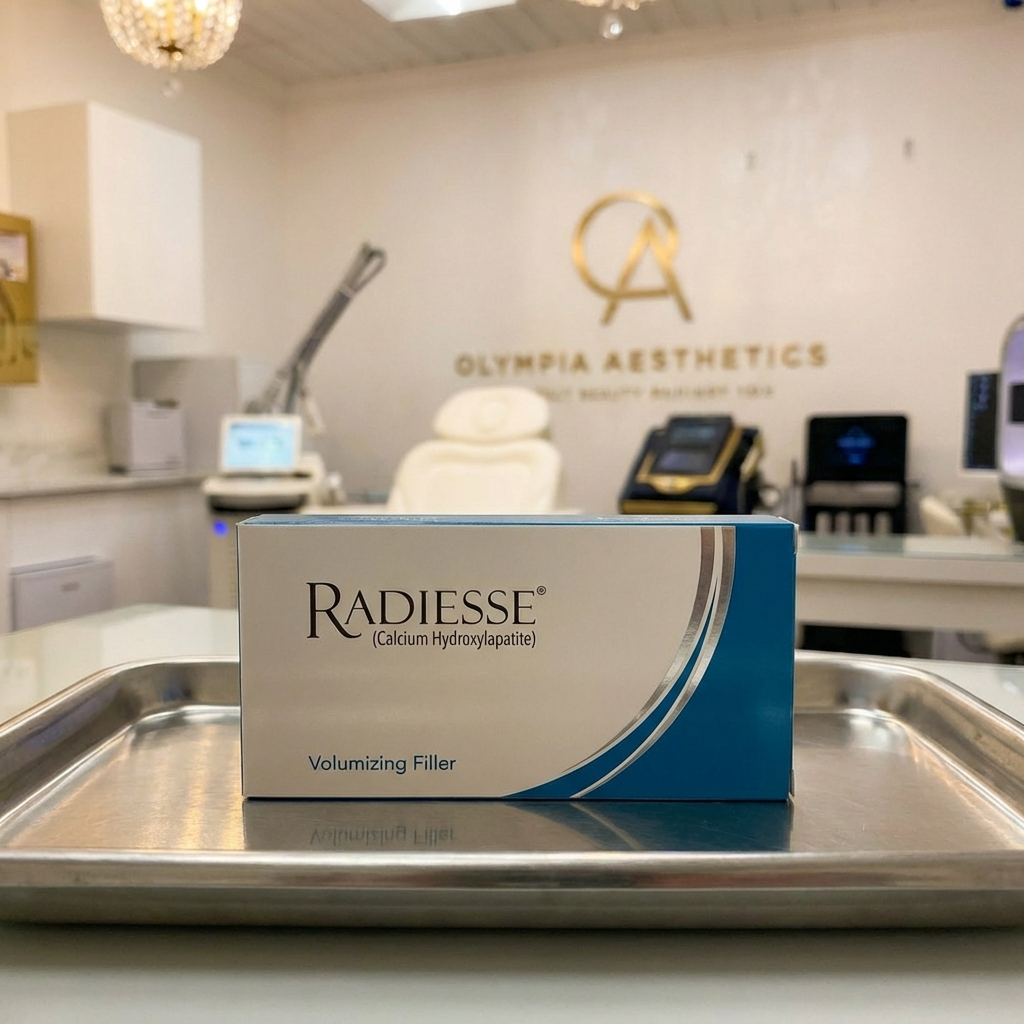
What dermal filler does
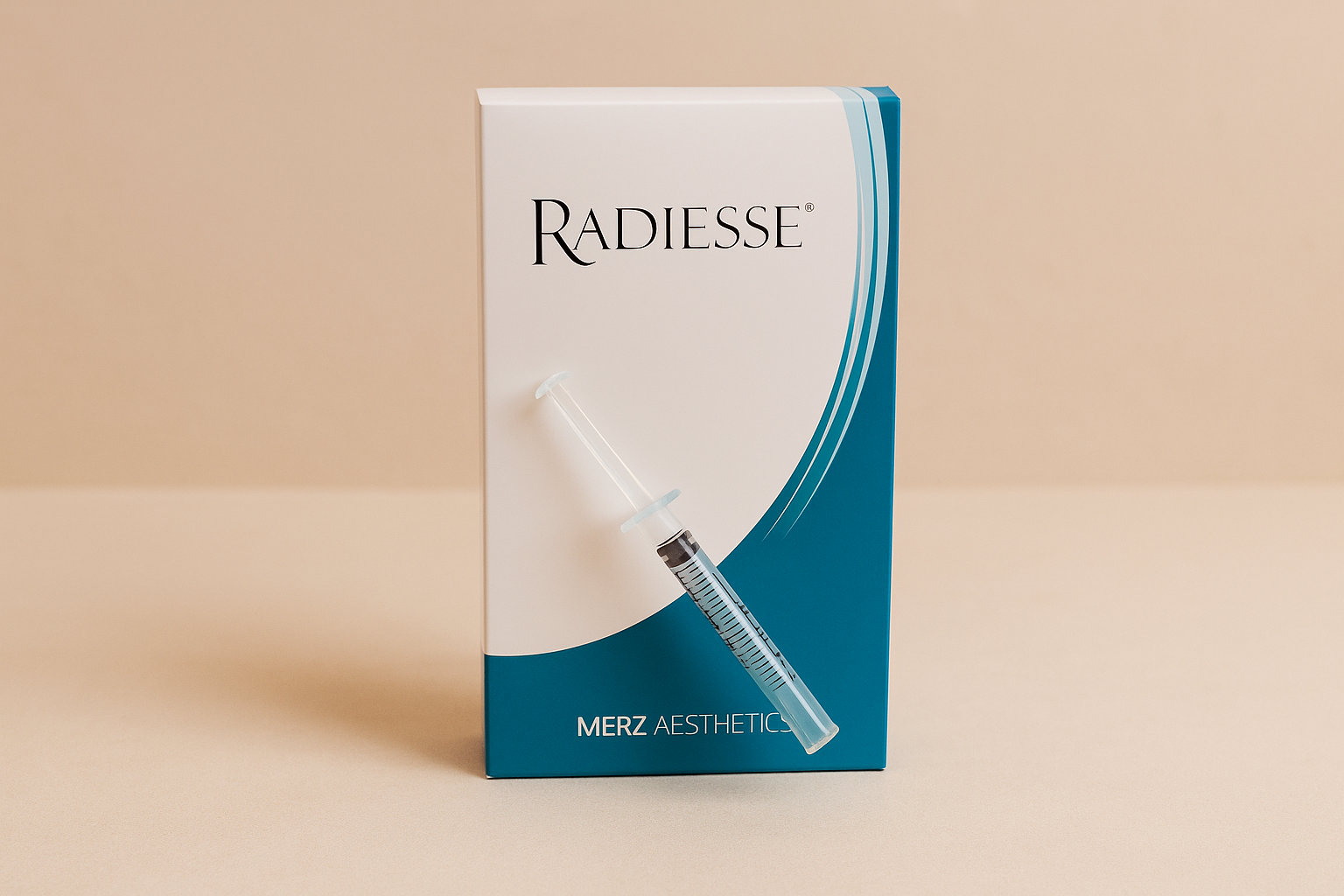
Dermal fillers are gel-based injectables, most often hyaluronic acid, a sugar your skin already makes. Placed under the skin, they restore volume that has been lost, lift areas that have started to descend, and refine contour and proportion. Some fillers, like collagen stimulators, work more slowly by prompting your own collagen to rebuild over months.
Where Botox relaxes movement, filler replaces structure. As we age we lose fat pads, bone and collagen, and the face deflates and shifts downward. Thoughtful filler puts support back where it belongs, which can soften folds, lift the cheeks and define the jaw without adding heaviness.
The areas we treat most
Good filler work is about the whole face, not one feature. Often a small amount in the right place does more than a large amount where you think the problem is.
Cheeks and the area under the eyes, restored to lift the face and soften the shadows and folds that read as tired.
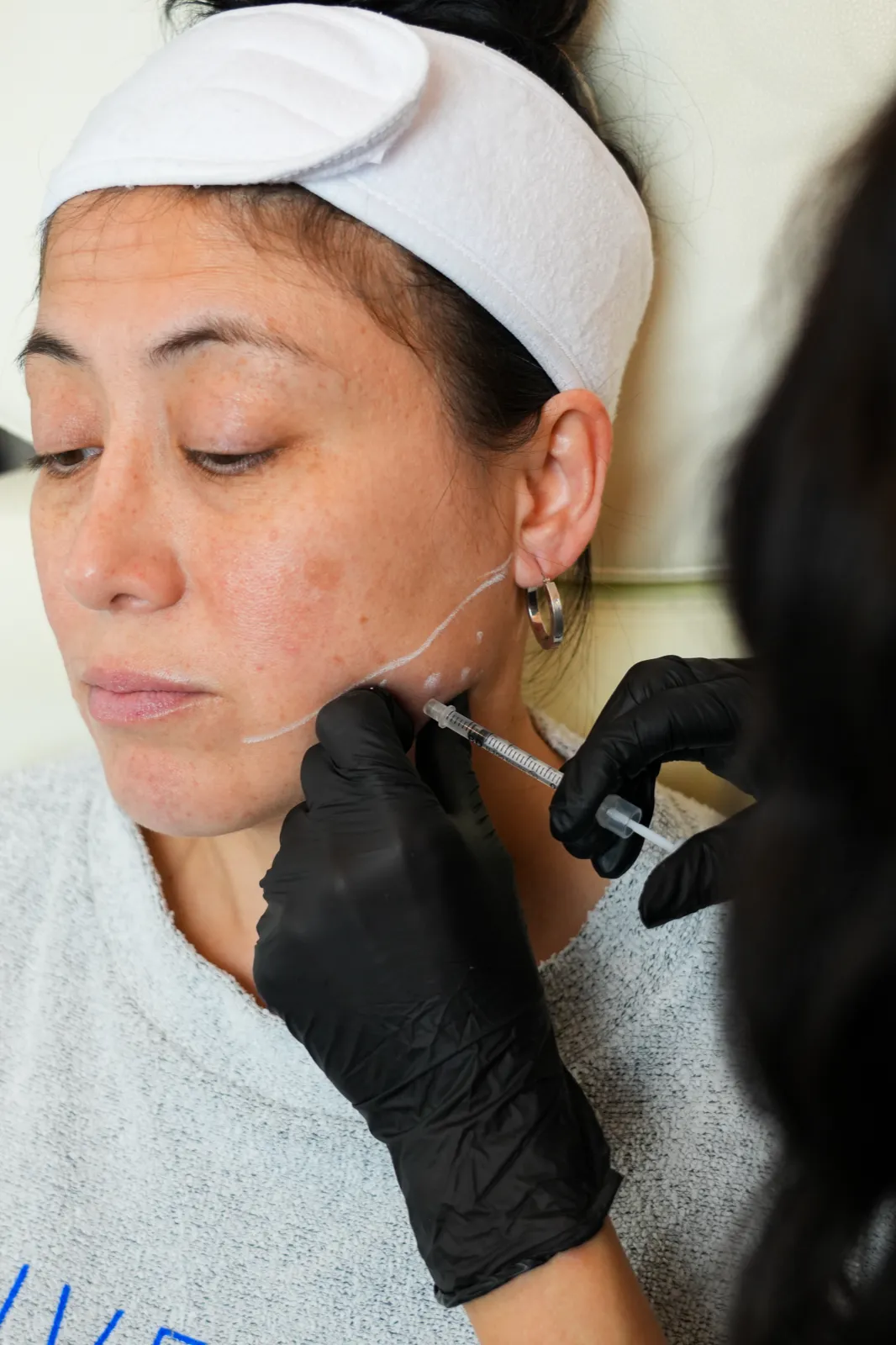
Jawline, chin and the smile lines around the mouth, sharpened and balanced for a defined, youthful profile.
Lip shape and hydration, plus fine corrections like the corners of the mouth that turn down over time.
What filler treats best
Your plan is built around your face, not a template. Filler is commonly used for:
- Flat or hollow cheeksLost mid-face volume restored to lift the face and refresh the area under the eyes.
- Undereye hollowsTear-trough shadows softened so you look less tired, placed carefully in a delicate area.
- Smile & marionette linesThe folds from the nose to the mouth and the corners that turn down, supported and softened.
- Weak or undefined jawlineJaw and chin definition for a sharper, more balanced profile.
- Thin or asymmetric lipsSubtle shape, definition and hydration without an overfilled look.
- Overall facial agingA full-face plan that addresses deflation and descent together instead of chasing one line.