By Olympia Morris, PA-C · Medically reviewed by Dr. Oliver Morris
For some, breakouts are more than a phase. They show up again and again, no matter how clean the skin is or how many products get layered on. The truth is, acne isn’t just a surface issue. It’s tied to oil production, bacteria, hormones, habits, and even stress. At Olympia Aesthetics, many patients come in convinced they’ve tried everything. Usually it’s a matter of getting the right support, using treatments that actually match the problem, and dropping a few acne-triggering habits. Here’s what we tell our patients in Palm Harbor, along with what the research actually says.
Why Breakouts Keep Coming Back
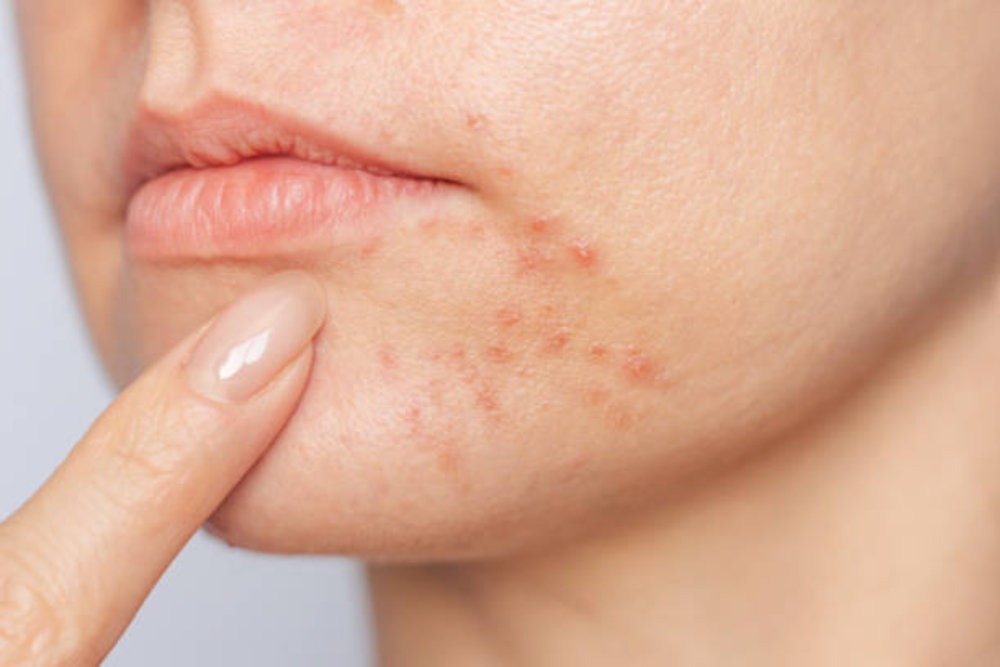
Every pimple starts the same way. A pore gets clogged with oil and dead skin cells, bacteria that normally live on your skin (Cutibacterium acnes) multiply inside it, and your immune system responds with inflammation. That’s the redness, swelling, and soreness you feel.
Prevention works when it targets those steps: keep pores clear, keep oil production in check, and calm inflammation before it scars. Most people who feel stuck are only addressing one of the three.
Daily Habits That Prevent Breakouts
Clean Skin Doesn’t Mean Scrubbed Raw
Over-washing your face strips it of natural oils, leaving skin dry and irritated. Your body compensates by producing even more oil, which clogs pores and causes breakouts. Stick to a gentle cleanser and skip the aggressive scrubbing. The American Academy of Dermatology recommends washing your face twice a day and after sweating, nothing more.
Beware of Hidden Irritants
Hair products, laundry detergents, and even toothpaste can trigger acne if they contain pore-clogging ingredients. Breakouts concentrated along your hairline or jaw are a clue. Check your labels and look for products marked non-comedogenic and fragrance-free. The same goes for sunscreen and makeup. You still need both; you just need versions formulated for acne-prone skin.
Keep Your Hands Off
Picking and squeezing feels productive in the moment, but it pushes bacteria and debris deeper into the pore, turns a small blemish into a bigger inflamed one, and dramatically raises the odds of a scar or a dark spot that outlasts the pimple by months. If a painful cyst needs draining, that’s a job for a provider, not a bathroom mirror.
Clean the Things That Touch Your Face
Pillowcases, phone screens, makeup brushes, and hat brims collect oil and bacteria. None of these will cause acne by themselves, but on skin that’s already prone to breakouts, they don’t help. Swap pillowcases once or twice a week, wipe your phone down, and wash brushes regularly. Cheap habits, real payoff.
What the Research Says About Diet and Acne
There’s no one-size-fits-all diet for clear skin, but the evidence has firmed up in a few areas. A randomized controlled trial published in the American Journal of Clinical Nutrition found that a low-glycemic-load diet (fewer refined carbs and sugary foods) improved acne over 12 weeks compared with a typical high-carb diet.
Dairy shows a link too. A meta-analysis covering more than 78,000 people found that dairy intake was associated with higher odds of acne in children, teens, and young adults. That’s an association, not proof of cause, and plenty of people drink milk with clear skin. But if you’ve plateaued with everything else, a few weeks of tracking what you eat against when you break out is worth the effort.
Hormones Might Be to Blame
Hormonal fluctuations during menstruation, pregnancy, or times of stress push oil glands into overdrive. This tends to produce deep, painful acne along the jawline and chin that shrugs off typical drugstore treatments. It’s also why acne can show up for the first time in your 30s or 40s after decades of clear skin.
Stress is a real trigger, not a myth. A study in the Archives of Dermatology followed university students through final exams and found acne severity got measurably worse as exam stress increased. Cortisol ramps up oil production and inflammation, both of which feed breakouts. Sleep, exercise, and stress management genuinely belong in an acne plan.
For hormonal and stubborn inflammatory acne, in-office options like Sylfirm X RF microneedling and BBL HEROic light therapy work at a deeper level than anything you can apply at home.
Over-the-Counter Ingredients Worth Your Money
Most drugstore shelves are noise, but a few ingredients are backed by the current American Academy of Dermatology acne guidelines:
- Benzoyl peroxide kills acne bacteria and helps prevent resistance. Start with a lower strength (2.5 to 5 percent) to limit dryness. It bleaches fabric, so use white towels and pillowcases.
- Salicylic acid dissolves the oil and dead-cell plugs inside pores. Good for blackheads and whiteheads.
- Adapalene is a topical retinoid available over the counter at 0.1 percent. Retinoids normalize how skin cells turn over so pores clog less in the first place. Expect some dryness the first few weeks, and use sunscreen with it.
Give any new product 8 to 12 weeks before judging it. Skin cell turnover is slow, and switching products every two weeks is one of the most common reasons acne routines fail.
Professional Treatments That Actually Work
When over-the-counter products aren’t enough, professional treatments target acne where home care can’t reach. At Olympia Aesthetics we build these into personalized plans:
- VI Peel for acne-prone skin, which resurfaces, reduces oil, and fades post-acne marks. It’s also effective for acne scarring.
- HydraFacial to deep-clean congested pores without irritation, useful as ongoing maintenance between breakout cycles.
- SkinPen microneedling to smooth texture and soften scarring once active breakouts are controlled.
- BBL HEROic light treatments to calm redness and target the bacteria and inflammation driving active acne. Here’s more on why light and laser treatments help acne.
- HALO laser for deeper, pitted acne scars, where it can significantly improve skin texture and tone.
How Olympia Aesthetics Can Help
Located in Palm Harbor, Olympia Aesthetics specializes in non-surgical skin treatments. Every patient gets a personalized plan, usually starting with a VISIA skin analysis so we’re treating what’s actually happening in your skin rather than guessing. Whether it’s active acne, scarring, or pigmentation left behind by old breakouts, the goal is skin that stays clear, not a quick fix that fades in a month.
FAQ: Acne Prevention Tips
Can stress really cause acne breakouts?
Yes. When you’re stressed, your body produces more cortisol, a hormone that increases oil production and inflammation, both of which can trigger breakouts. Managing stress through exercise, sleep, and relaxation techniques genuinely supports clearer skin.
Does sunscreen make acne worse?
Only if you’re using the wrong kind. Thick or oily sunscreens can clog pores. Look for non-comedogenic or mineral-based sunscreens that protect your skin without adding extra oil. Skipping sunscreen isn’t the answer, especially if you’re using retinoids or getting professional treatments.
How often should I exfoliate if I have acne-prone skin?
Once or twice a week is usually enough. Over-exfoliating strips your skin and causes more breakouts, not fewer. Stick to gentle exfoliants and ask a skincare provider if you’re unsure what’s safe for your skin type.
Do acne scars ever go away completely?
Some fade naturally over time, but others, like pitted scars, usually need targeted treatment such as RF microneedling, chemical peels, or laser resurfacing. The earlier scarring is treated, the better it responds.
Can makeup cause breakouts even if it says it’s safe?
Yes, especially if it’s not removed properly at night. Even non-comedogenic makeup can clog pores if it builds up. Remove makeup thoroughly every evening and clean your brushes regularly.
When should I see a professional about acne?
If you’ve given a consistent over-the-counter routine 2 to 3 months without improvement, if breakouts are deep and painful, or if you’re starting to see scarring or dark marks, it’s time. Scarring is much easier to prevent than to reverse.
Ready for skin that stays clear? Call us at (727) 274-1972 or book your consultation online.